
Back to Blog
Health & Wellbeing
Telehealth or In Person? When to Book Each
By TradieCorner Team · · 2 min read
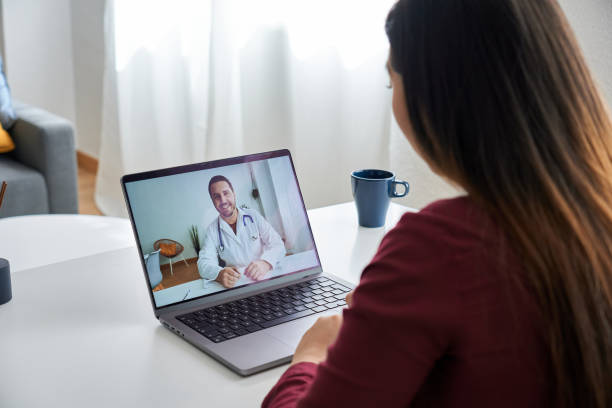
Telehealth (a consultation by phone or video) saves travel and waiting-room time, and for many follow-ups it is all you need. But a doctor can't listen to your chest, feel your abdomen or look closely at a rash through a phone. Knowing which is which gets you the right care faster.
Where telehealth usually works well
- Discussing test results and what happens next
- Repeat prescriptions for a condition your doctor already manages
- Follow-ups on a problem you have already been examined for
- Mental health check-ins with a GP, psychologist or psychiatrist you already see
- Referrals and paperwork where nothing new needs examining
When to book in person
- A new problem that needs examining: lumps, pain in the abdomen or chest, a new rash or mole
- Anything involving your ears, throat or breathing that needs listening to or looking into
- Children who are unwell, especially babies
- Procedures, injections, vaccinations, blood pressure checks and skin checks
- When you have tried telehealth and the problem hasn't settled
Getting the most out of a telehealth appointment
- Find a quiet, private spot with good reception, and charge your phone
- Have your medication list, a pen and your Medicare card handy
- For video, good light helps the doctor see you; take photos of a rash beforehand if the practice accepts them
- Ask at the end what to do if things get worse, and whether you need to come in
Ask about billing before you book
How telehealth appointments are billed, and whether Medicare covers a particular one, depends on the practice and the type of appointment. Ask when you book so there are no surprises.
This article is general information only and isn't legal, financial or trade advice. Requirements vary by state and territory and by the type of work.